MJs medium roast coffee is grown
Author: eandusmom
Social Media and Business Platform Profiles

The two platforms chosen for MJs Coffee are LinkedIn and Facebook. These two platforms are available globally and will provide global exposure for the business. Content shared on both platforms will help the company build its personal brand as a socially responsible company, share what it’s currently working on and find new leads who could become customers.
LinkedIn is the largest professional social networking site; businesses make connections with groups and businesses with similar interests. It is an excellent platform for highlighting the company’s commitment to the mission of the fair-trade coffee industry and partnership with fair-trade farmers. The information provided on LinkedIn is factual and proper engagement will establish the company as an expert in the fair-trade coffee industry. Custom descriptions of companies can be made in different languages thereby providing global reach. Hashtags that match the company’s content can be added to articles for easier location during a search.
Facebook is the largest online social networking website where users can connect and share with friends. Businesses can create professional pages to showcase and advertise the company’s products and services. Interactions on Facebook are done in a more relaxed manner, instilling the company’s page with individual personality by having individuals responding to questions and replying to wall posts.
“The best way to grow your audience and keep your followers is to provide them with value by posting articles or company updates on a regular basis (Newberry, 2018). The profile on both platforms and the articles posted will utilize search engine optimization strategies, using keywords and ensuring that the page title and meta tags are accurate.
References
Digital Marketing Institute. (n.d.). Which social media platforms should you use for your
business? Retrieved from https://digitalmarketinginstitute.com/en-us/blog/which-social-media-platforms-should-you-use-for-your-business
Edwards, V. (2013, December 31). SEO basics: 8 Essentials when optimizing your site.
Retrieved from: https://www.searchenginewatch.com/2013/12/31/seo-basics-8-essentials-when-optimizing-your-site/
Funk, T. (2011). Social media playbook for business: Reaching your online community with
Twitter, Facebook, LinkedIn, and more. Retrieved from https://ebookcentral-proquest-com.ezproxy.snhu.edu
Hempel, J. (n.d.). LinkedIn: How It’s Changing Business (And how to make it work for you).FORTUNE, 168(1), 68–74. Retrieved from https://search-ebscohost-com.ezproxy.snhu.edu/login.aspx?direct=true&db=edswss&AN=000320832300019&site=eds-live&scope=site
Purchase of non-fair-trade sourced coffee beans halted.
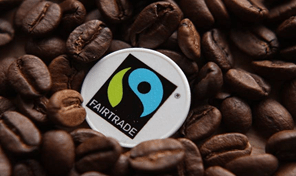
MJs has halted the purchase of some coffee beans used in our coffee products that were not purchased from fair trade coffee farmers as previously advertised. We pride ourselves as a socially responsible coffee company and this event has challenged our credibility. We have taken immediate steps to halt the purchase of the coffee beans from the farmers in question, determine how this purchase happened and ensure that this does not happen in the future.
We make a conscious effort on only purchasing coffee beans from farmers that are Fair Trade certified. Read about the fair trade certification process on https://www.fairtradefederation.org/ because our mission and values align with the Fair Trade’s mission of ensuring farmers are paid a fair price for their products.
“The economic, social and environmental well-being of our coffee bean farmers are of great importance to us,” said CEO Moji Jagun, “we have established why this has happened and steps are being taken to ensure that this situation does not repeat itself.” For more information, please visit our website at www.mjscoffee.com
<html>
<head>
<title> Purchase of non-fair-trade sourced coffee beans halted. </title><meta name=”description” content=” MJs has halted the purchase of some coffee beans used in our coffee products that were not purchased from fair trade coffee farmers as previously advertised.”>
<meta name=”Keywords” content=” Fair trade coffee company, fair trade coffee farmer, socially responsible coffee company, MJs coffee, Purchase of non-fair trade sourced coffee beans halted, fair trade certified”>
</head>
<body>
PRESS RELEASE : PURCHASE OF COFFEE BEANS FROM NON-FAIR-TRADE CERTIFIED FARMERS HALTED
“The economic, social and environmental well-being of our coffee bean farmers are of great importance to us,” CEO Moji Jagun
Socially Responsible Coffee Company Rushes to Halt Purchase of Coffee Beans from Unethical Farmers.
Raleigh, NC, USA – November 17. 2019. MJs Coffee would like to address the recent news that, some of the coffee sold by the company came from coffee beans not purchased directly from farmers through fair trade as previously advertised.
We are saddened to report that we have discovered that the story is true and the coffee beans in question were purchased from Bees Coffee Beans Farm, a big coffee supplier located in Brazil, South America known for its unethical farming practices. Their coffee beans are not currently certified as Fair Trade. To read more about Fair Trade and the importance of its certification process please visit www.fairtradeamerica.org.
MJs Coffee is a socially responsible company that prides itself on only purchasing coffee beans from farmers that are Fair Trade certified, because we believe in the principle of Fair Trade of paying farmers a fair price for their products and we would like to make it clear that we would never deliberately purchase products from a farm that is not Fair Trade certified.
It has come to our attention that the purchase of the coffee beans in question was made possible by the collusion of some of the company employees. We are taking steps to identify the employees responsible and ensure that appropriate disciplinary actions are taken against them.
We will also ensure that this situation does not happen again. We plan on doing this by
- Overhauling our hiring and training processes.
- Hiring an external compliance officer to help oversee the current compliance purchasing process within our supply chain.
- Creating an anonymous reporting system for employees within the purchasing department to report any discrepancies they notice within the supply chain process.
“The economic, social and environmental well-being of our coffee bean farmers are of great importance to us,” said CEO Moji Jagun, “we have established why this has happened and the steps listed above are just part of the plans we are looking into implementing to ensure that this situation does not repeat itself.”
 MJs Coffee Blog